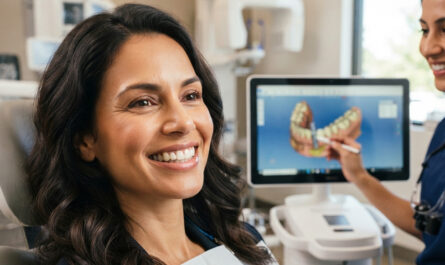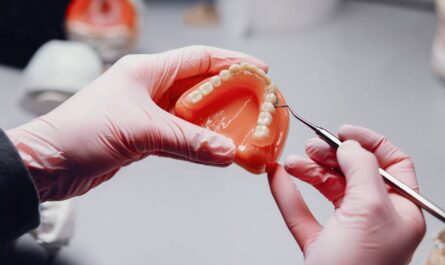
Investing in a comprehensive smile transformation-whether through Full-Mouth Dental Implants, premium Porcelain Veneers, or a combination of both—is a life-changing decision. While modern Digital Smile Design (DSD) and minimally invasive guided surgery ensure the procedure itself is precise and painless, the true long-term success of your treatment relies heavily on how you care for your mouth during the initial recovery phase.
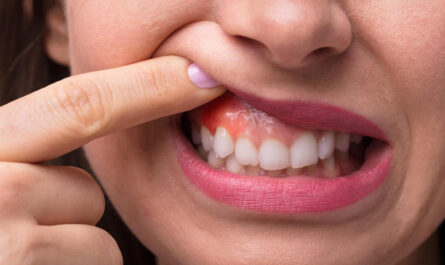
The first 14 days post-surgery are absolutely critical. During this window, your gums are healing around your new veneers, and your jawbone is beginning the vital biological process of fusing with your titanium or zirconia implant anchors (osseointegration).
To eliminate guesswork and ensure a seamless recovery, this complete survival and clinical nutrition guide outlines exactly what to expect and how to nourish your body safely at Dr. Irfana’s Dental Studio in Jogeshwari West, Mumbai.
At a Glance: The 14-Day Recovery & Nutrition Roadmap
Navigating your diet after major dental surgery does not mean you have to starve. Use this structured timeline to adjust your food consistency as your oral tissues heal:
| Healing Phase | Expected Physical Symptoms | Allowed Food Consistencies | Key Clinical Focus |
| Days 1 to 3: The Cold & Liquid Phase | Peak swelling, mild bleeding, numbness from local anesthesia. | Strictly cold or room-temperature liquids only. No chewing. | Protect blood clots, minimize swelling, and stay hydrated. |
| Days 4 to 7: The Ultra-Soft No-Chew Phase | Swelling begins to subside; minor bruising or gum tenderness. | Smooth, pureed, and ultra-soft foods that can be swallowed without biting. | Maintain high protein and calorie intake for cellular repair. |
| Days 8 to 14: The Soft-Fork Tender Phase | Minimal to zero pain; incisions and gum margins closing well. | Soft foods that can be easily cut or mashed with a plastic fork. | Avoid hard, crunchy, or micro-seeded foods that can lodge in healing zones. |
Days 1 to 3: The Critical Cold & Liquid Protocol
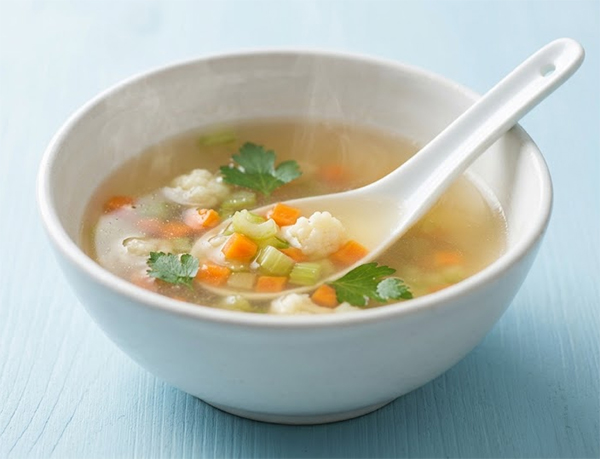
The first 72 hours are dedicated entirely to stabilization. Because your mouth will still be numb immediately following surgery, attempting to chew solid food carries a high risk of accidentally biting your tongue or damaging your temporary restorations.
The Golden Rule: Absolutely No Straws
When consuming liquids, never use a straw. The suction force created inside your mouth when drinking through a straw creates a vacuum. This negative pressure can easily dislodge the protective blood clots forming over your implant sockets, leading to a painful clinical complication known as a dry socket. Drink directly from a cup or use a small spoon instead.
What to Consume:
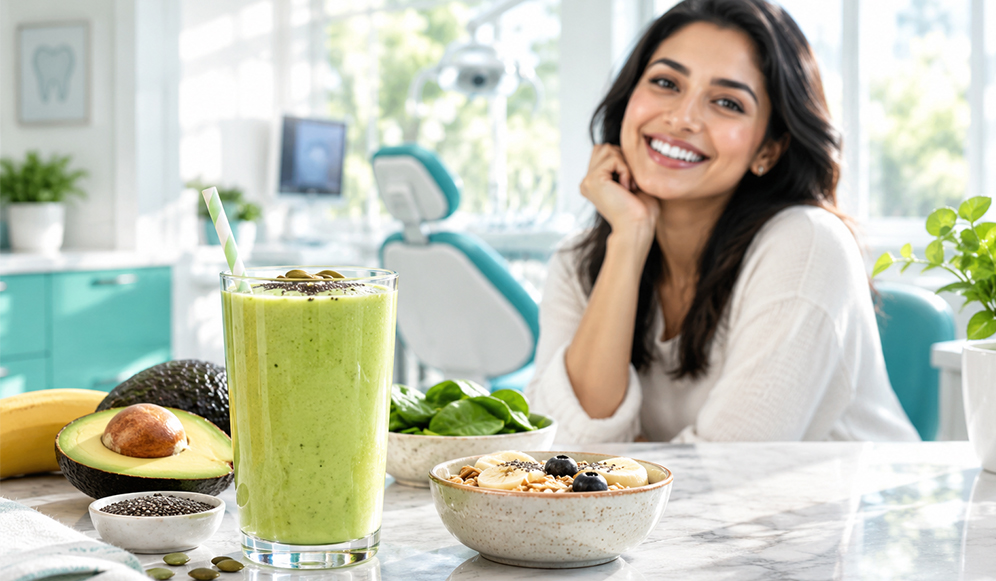
- Chilled Protein Shakes & Smoothies: Blend whey or plant-based protein isolates with milk or yogurt. Ensure fruit smoothies are thoroughly strained to remove tiny seeds (like kiwi, strawberry, or fig seeds), which can slide under your healing gum tissues and cause painful secondary infections.
- Cool Bone Broths: Packed with natural collagen, amino acids, and essential minerals, room-temperature chicken or vegetable broths keep you strong without disturbing your surgery sites.
- Cold Milkshakes & Greek Yogurt: Chilled foods soothe irritated tissues and act as a natural cold compress from the inside out.
Days 4 to 7: Transitioning to the Ultra-Soft “No-Chew” Phase
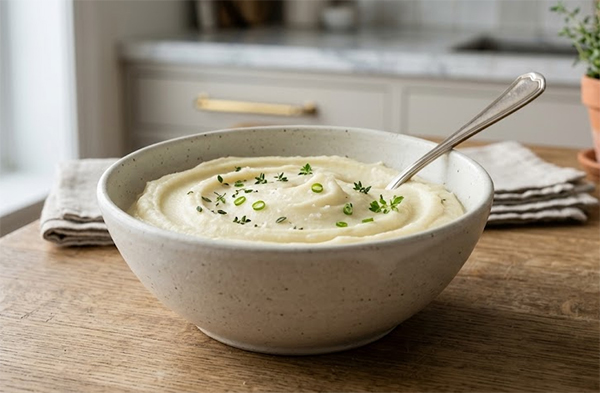
As the initial swelling begins to go down, you can introduce thicker, heartier meal options. However, your implants and veneers are still highly vulnerable to shifting. Biting down on something hard can cause micro-movements in the implants, which completely halts the bone-fusing process and can lead to early implant failure.
What to Consume:
- Mashed Potatoes & Sweet Potatoes: Velvety, smooth, and easy to swallow without any active jaw movement.
- Smooth Khichdi or Congee: Rice and lentils overcooked to a porridge-like consistency are excellent for maintaining clean energy levels.
- Mashed Avocados & Hummus: Excellent sources of healthy, plant-based fats that keep you feeling full longer.
- Scrambled Eggs or Tofu Scramble: Soft, highly accessible protein sources that require zero biting force.
Days 8 to 14: The “Fork-Tender” Soft Food Phase
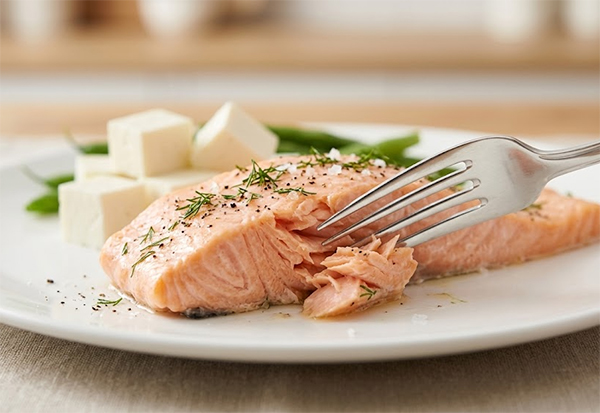
By the second week, your gum tissues are closing nicely over the surgical areas. You can now transition to slightly more solid meals, provided they can be easily broken apart using only a plastic fork—meaning your teeth shouldn’t have to work hard to grind the food.
What to Consume:
- Soft-Cooked Fish: Steamed or baked salmon and white fish flake apart easily and are loaded with Omega-3 fatty acids, which actively lower clinical inflammation.
- Well-Cooked Pasta or Oats: Oatmeal or small, well-cooked pasta shapes (like macaroni or dahlia) provide solid complex carbohydrates.
- Stewed Lentils (Dal) & Paneer: Soft cubes of paneer or well-boiled dals provide the building blocks your body needs to rebuild dense bone architecture.
🚫 Foods to Avoid Completely for the First 14 Days
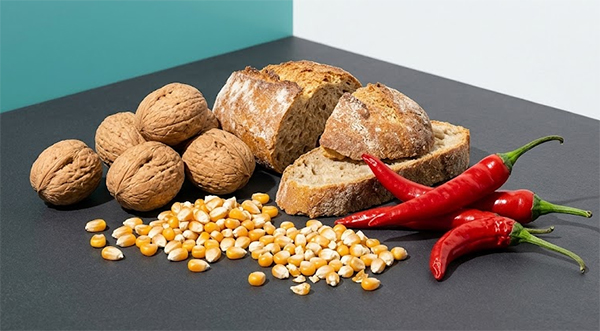
To protect your cosmetic investment and prevent emergency visits to the clinic, strictly ban these food groups from your kitchen during the first two weeks:
- Spicy, Hot, and Acidic Foods: Traditional Indian spices, chili powder, and citrus fruits (lemons, tomatoes) will severely burn raw, healing gum tissues and delay mucosal healing.
- Crunchy, Sharp, and Hard Foods: Chips, nuts, unrefined popcorn, and hard crusty bread can scratch your new veneers or place immense pressure on curing implants.
- Sticky and Chewy Sweets: Chewing gum, caramels, or thick candies can physically pull on temporary crowns or veneers, dislodging them from your prepared teeth.
FAQs
How do I maintain oral hygiene after surgery if I cannot brush my teeth normally?
During the first 24 hours, do not rinse your mouth or spit aggressively, as this dislodges healing blood clots. Starting on Day 2, gently rinse your mouth after every meal using room-temperature saline water (warm water with a pinch of salt) or a prescribed chlorhexidine antiseptic mouthwash. Simply let the liquid roll around your mouth and tilt your head over the sink to let it fall out gently-do not spit forcefully.
What should I do if a temporary veneer or temporary implant crown comes loose?
Do not panic. Temporary restorations are attached using ultra-light, temporary dental cements designed to be easily removed when your final permanent porcelain or zirconia fabrications arrive. If a temporary cap comes loose or falls off, keep it clean, store it safely, and call Dr. Irfana’s Dental Studio immediately for a quick, same-day re-cementation appointment to keep your underlying structures protected.
Why is protein intake so heavily emphasized during my post-op recovery?
Your body requires an abundance of amino acids to repair damaged soft tissues and synthesize the new bone matrix around your titanium implants. Inadequate protein intake can slow down your healing timeline, increase post-operative fatigue, and prolong local swelling. If you are struggling to meet your protein goals through soft foods, high-quality, unflavored protein supplements are highly recommended.
Can I drink hot cutting chai or coffee during the first week of recovery?
No, you must avoid hot beverages for at least the first 3 to 5 days. High temperatures cause local blood vessels to dilate, which can trigger prolonged swelling or introduce secondary bleeding at the surgical implant sites. You may enjoy your favorite tea or coffee provided it has been allowed to cool down completely to room temperature or is served chilled.
When can I safely return to my normal, everyday solid diet?
Most patients can gradually reintroduce standard solid foods around the 3rd or 4th week, once our clinical team conducts a thorough follow-up check to evaluate your healing margins. However, even after 14 days, you must continue to avoid biting directly into hard fruits (like whole apples), chewing on ice cubes, or tearing tough meats with your front teeth until your permanent restorations are completely bonded.
Disclaimer: This post-operative recovery guide is designed strictly for educational and general informational purposes. It does not replace personalized medical advice, formal clinical instructions, or immediate emergency dental care guidelines provided by your operating surgeon. Always consult directly with your implantologist to address your specific healing progress and biological requirements.