When managing diabetes, your daily checklist likely includes monitoring blood glucose levels, tracking carbohydrate intake, administering medication, and keeping an eye on your cardiovascular health. However, there is a critical piece of the health puzzle that many individuals overlook: your oral cavity.
Clinical research shows that health conditions affecting your body’s metabolism have a direct, two-way relationship with your mouth. Specifically, individuals with poorly managed blood sugar are significantly more prone to developing chronic gum infections. Conversely, active gum disease can make it much harder for your body to regulate its blood glucose levels.
This comprehensive medical guide breaks down the biological connection between diabetes and periodontal disease, highlights the warning signs you must monitor, and explains how targeted clinical care at Dr. Irfana’s Dental Studio in Jogeshwari West, Mumbai can safeguard both your smile and your systemic health.
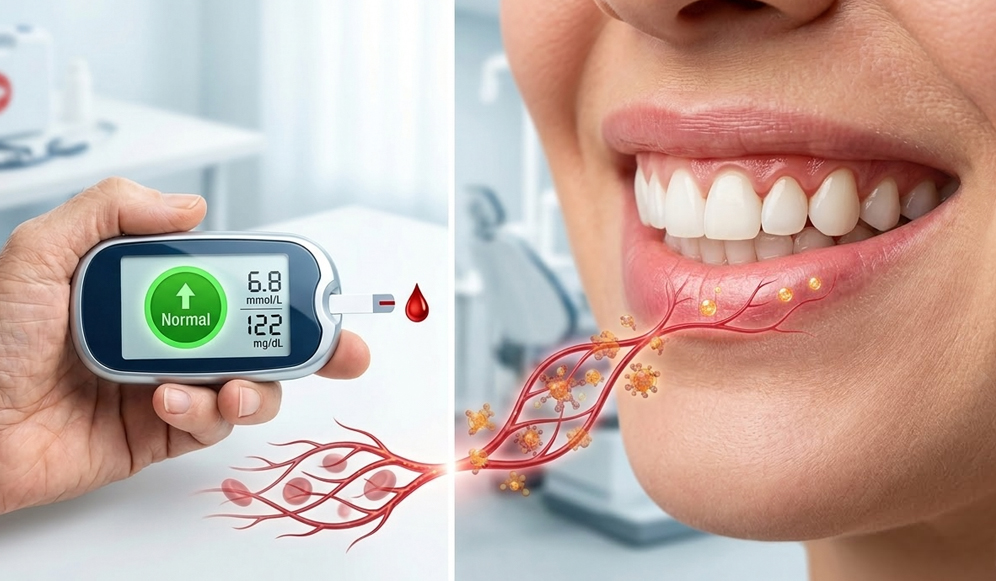
How Diabetes and Gum Disease Impact Each Other
| Metabolic Status (Diabetes) | Oral Health Impact (Gum Tissue) |
| High Blood Glucose Levels | Increases sugar content in saliva, feeding harmful oral bacteria. |
| Thickened Blood Vessels | Restricts nutrient delivery and slows waste removal from gums. |
| Impaired White Blood Cells | Weakens the body’s primary defense system against mouth infections. |
| Chronic Oral Inflammation | Releases inflammatory chemicals into the blood, increasing insulin resistance. |
The Biological Link: Why Diabetes Weakens Your Gums
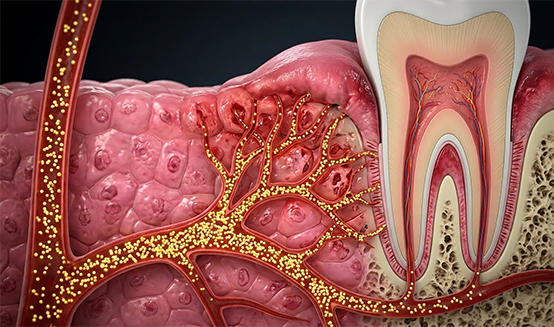
Periodontal (gum) disease is a bacterial infection that destroys the soft tissues and bone supporting your teeth. In a healthy body, the immune system fights off these bacteria effectively. However, elevated blood sugar levels alter your body’s chemistry in three distinct ways:
1. Salivary Glucose Fuel
When blood sugar is high, the glucose levels in your saliva rise as well. This sugar acts as a constant food source for the destructive bacteria living in dental plaque. As these bacteria thrive, they produce acids and toxins that irritate, inflame, and destroy gum tissue at an accelerated rate.
2. Compromised Blood Circulation
Diabetes progressively causes blood vessels to thicken. This narrowing slows down the efficiency of your blood circulation. Because less fresh blood reaches your gums, your oral tissues receive fewer vital nutrients and less oxygen. This makes it incredibly difficult for your gums to heal from minor irritations or fight off invading bacteria.
3. Altered Immune Response
Diabetes diminishes the structural effectiveness of white blood cells, which serve as your body’s main line of defense against infection. When your immune response is sluggish, a minor case of mild gum swelling (gingivitis) can quickly escalate into severe, destructive bone loss (periodontitis).
The Dangerous Two-Way Street: How Gum Infections Worsen Diabetes
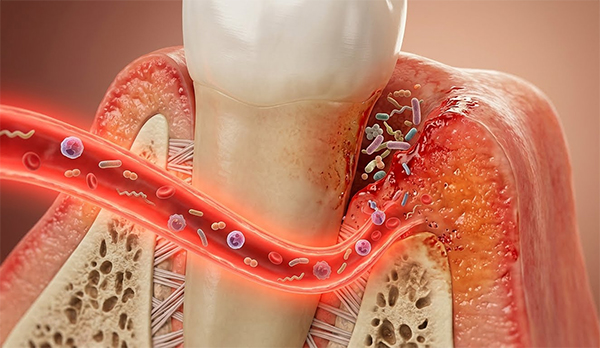
The relationship between diabetes and gum disease is not a one-way street; it is an interconnected cycle. While diabetes makes you vulnerable to gum disease, severe periodontal inflammation actively destabilizes your systemic diabetic control.
When your gums are chronically infected, they become an open wound inside your mouth. The bacteria and their inflammatory by-products easily slip into your bloodstream through ulcerated gum tissue. Once inside your systemic circulation, these inflammatory markers cause systemic inflammation.
Medical studies indicate that this chronic low-grade inflammation alters your cellular receptors, making your body significantly more resistant to insulin. As a result, patients with untreated advanced gum disease often experience erratic blood sugar spikes and find it exceptionally difficult to maintain their target HbA1c levels.
Critical Symptoms Diabetic Patients Must Watch For
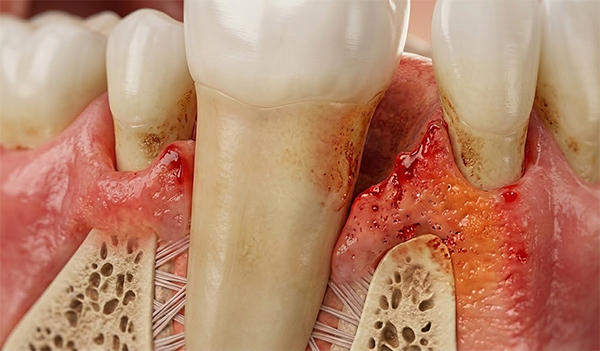
Gum disease often advances silently without causing severe pain until it reaches a destructive stage. If you live with type 1 or type 2 diabetes, you must schedule a professional evaluation immediately if you notice any of these warning signs:
- Gums that bleed consistently during regular brushing or flossing.
- Chronic bad breath (halitosis) or a persistent unpleasant taste that does not go away after using mouthwash.
- Gums that appear bright red, smooth, swollen, or tender to the touch.
- Gum recession, which makes your teeth look noticeably longer and exposes sensitive root surfaces.
- New gaps developing between your teeth, or a feeling that your teeth are shifting or loosening when you chew.
Specialized Clinical Protocol for Diabetic Patients
Managing oral health with diabetes requires a precise, medically conscious clinical approach. Standard over-the-counter home care routines are rarely enough to break the cycle of chronic inflammation.
Advanced Scaling and Root Planing (Deep Cleaning)
At the dental clinic, therapists perform deep therapeutic cleanings to scrape away hardened calculus (tartar) blocks hiding deep beneath the gum line. This removes the bacterial colonies that cause chronic tissue inflammation.
Localized Microbe Management
Dentists use specialized topical antimicrobial gels and prescription-strength rinses directly inside infected gum pockets to eliminate deep-seated pathogens and allow the soft tissues to reattach to the tooth root safely.
Coordinated Medical Monitoring
Before performing any advanced periodontal or surgical interventions, your dental team will cross-verify your recent HbA1c metrics to ensure your body can heal predictably after treatment.
Comprehensive Diabetic Oral Care at Dr. Irfana’s Dental Studio
Protecting your smile requires specialized clinical expertise that understands the complex interplay between systemic metabolic health and oral biology. At Dr. Irfana’s Dental Studio, located in Jogeshwari West, Mumbai, we provide advanced diagnostic evaluations and custom treatment protocols designed specifically for diabetic patients.
Our modern clinical setup utilizes state-of-the-art diagnostic imaging to detect early signs of bone loss and deep tissue infections before they compromise your systemic health. Dr. Irfana conducts thorough structural evaluations, taking your full medical profile into account to provide safe, highly controlled treatment pathways. Whether you need preventative periodontal maintenance, therapeutic deep cleanings, or customized restorative options, our team ensures a gentle, sterile, and safe environment tailored to your medical needs.
Do not let hidden oral infections compromise your health. Visit our accessible clinic in Jogeshwari West to optimize your oral health and regain complete control over your smile.
FAQs
Can treating my gum disease actually help lower my HbA1c levels?
Yes. Clinical studies have consistently demonstrated that undergoing successful professional periodontal therapy (such as deep scaling and root planing) can help lower HbA1c levels by an average of 0.4% to 0.6% over three to six months. By removing the chronic source of infection in your mouth, you reduce systemic inflammation, which directly improves your body’s sensitivity to insulin.
Why does my mouth feel constantly dry, and is it related to my diabetes?
Chronic dry mouth (xerostomia) is a very common side effect of elevated blood sugar levels and certain diabetic medications. When your body has less moisture due to frequent urination or altered gland function, saliva production drops. Because saliva naturally washes away food debris and neutralizes acids, a dry mouth allows plaque bacteria to multiply rapidly, increasing your risk for both cavities and severe gum infections.
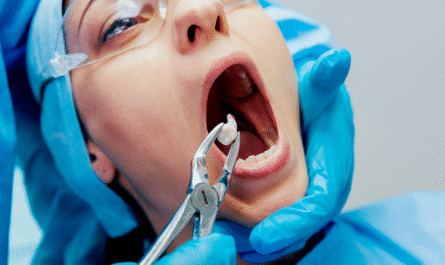
Is it safe for a diabetic patient to undergo tooth extractions or surgical dental procedures?
Yes, dental surgeries and extractions are completely safe for diabetic individuals, provided your blood glucose levels are well-controlled. If your diabetes is managed and your HbA1c is within a reasonable range, your body can heal predictably. It is crucial to share your latest blood test results, medication schedules, and physician’s guidance with your dentist before any procedure begins.
Why do my gums bleed so easily even though I brush my teeth twice every day?
If you have diabetes, even small amounts of daily plaque can trigger a severe, exaggerated inflammatory response in your gums due to altered blood flow and weaker white blood cell defenses. Brushing twice a day is excellent, but if plaque has hardened into calcified tartar below the gum line, your toothbrush cannot remove it. You will need a professional clinical cleaning to clear out the source of the bleeding.
How frequently should an individual with diabetes visit the dentist for a check-up?
While a bi-annual check-up (every 6 months) is standard for healthy adults, individuals with diabetes often benefit from visiting the dentist every 3 to 4 months for routine monitoring and cleanings. Frequent professional tracking allows your dentist to intercept micro-inflammations early, ensuring that oral infections do not develop to a point where they disturb your blood sugar control.