Have you ever thought twice before throwing away a baby tooth or wisdom tooth?
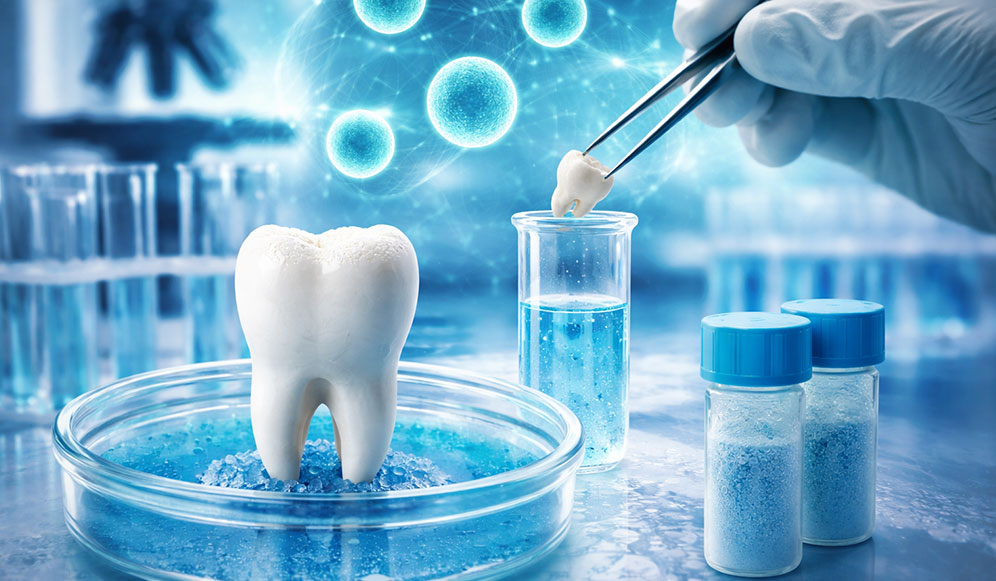
In 2026, instead of giving it to the “tooth fairy,” many people around the world are choosing tooth banking, a process where teeth are stored in specialized laboratories for potential future medical use.
But here’s the real question:
Is dental stem cell banking a true medical breakthrough or just an expensive hype?
Let’s break it down in simple terms.
What is Tooth Banking?
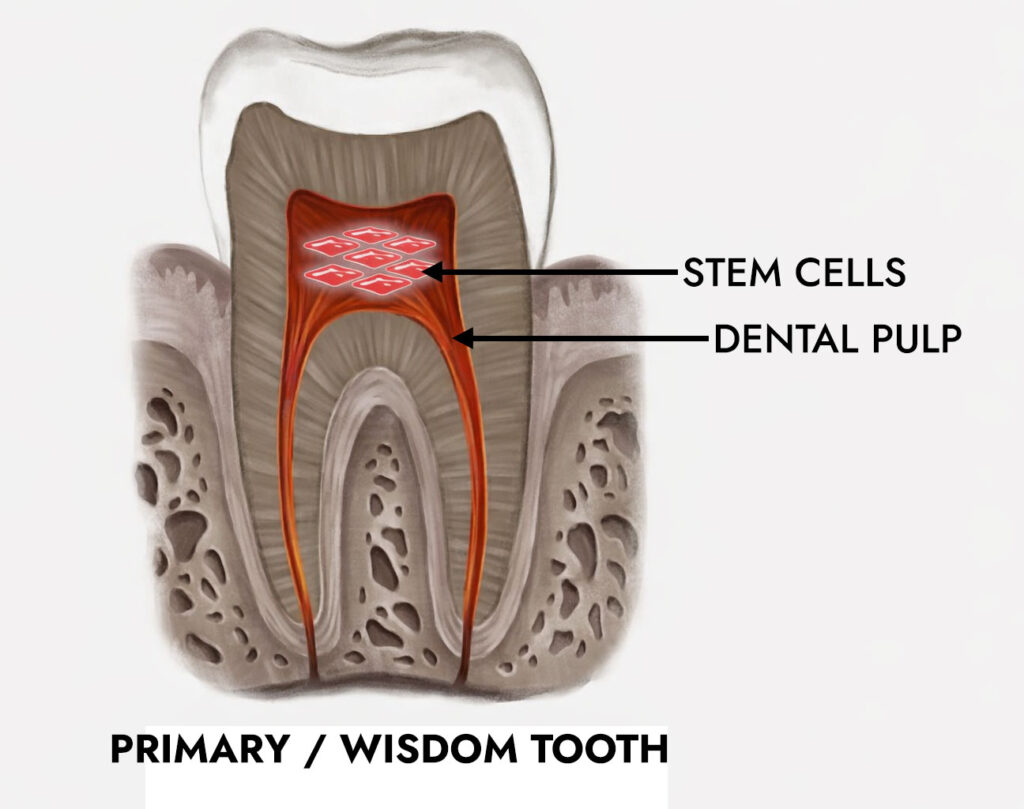
Tooth banking, also known as dental stem cell banking, is the process of extracting and preserving stem cells from the dental pulp inside your tooth.
These stem cells are called Mesenchymal Stem Cells (MSCs).
Why are these stem cells important?
- They can transform into bone cells
- They can develop into muscle cells
- They may help repair nerve tissues
In simple words, they act like a biological backup system for your body.
Why Do People Store Their Teeth?
The idea behind tooth banking is future medical use.
Scientists believe these stem cells could help treat conditions such as:
- Diabetes
- Parkinson’s disease
- Spinal cord injuries
- Bone regeneration
- Tooth regrowth (future possibility)
Think of it as health insurance using your own cells.
Reality Check: Is Tooth Banking Proven?
1. Still in Experimental Stage
Currently, there are no fully approved medical treatments that use dental stem cells to cure major diseases.
Most research is limited to:
- Laboratory studies
- Animal testing
- Early clinical trials
2. Future Potential (2030 and Beyond)
Researchers worldwide, including teams in countries like Japan, are working on technologies to:
- Regrow natural teeth
- Repair damaged tissues
However, these treatments are expected to become widely available only after 2030 or later.
3. High Cost of Tooth Banking
Tooth banking can be expensive depending on the provider and location:
- Initial processing fee
- Annual storage charges
Over time, this can add up to a significant long-term investment.
Is Tooth Banking Worth It?
It MAY be worth it if:
- You can afford long-term storage costs
- You believe in future medical advancements
- You are storing young teeth (baby or wisdom teeth)
It may NOT be worth it if:
- You expect immediate medical benefits
- You are looking for guaranteed treatments
- You are on a limited budget
Important: Tooth banking is a future investment, not a current solution.
Pros and Cons of Tooth Banking
Advantages:
- Uses your own biological cells (no rejection risk)
- Younger stem cells are more potent
- Potential for future regenerative treatments
Disadvantages:
- No guaranteed medical use yet
- Expensive long-term commitment
- Still under research and development
Expert Advice Before You Decide
Before choosing tooth banking, consider the following:
- Consult a qualified dentist or healthcare professional
- Verify the credibility of the stem cell storage facility
- Understand long-term storage policies
- Compare multiple providers
Don’t make a decision based only on marketing claims.
Conclusion: Hope vs Hype
Tooth banking sits at the intersection of scientific promise and uncertainty.
- The biological potential is real
- The clinical application is still evolving
If you choose to invest, do it with a clear understanding:
You are paying for future possibilities, not guaranteed medical outcomes.
FAQs
What is tooth banking?
Tooth banking is the process of storing stem cells extracted from the dental pulp of a tooth for potential future medical use. These stem cells can help in regenerative treatments.
Is tooth banking safe?
Yes, the process of collecting and storing dental stem cells is generally safe when done by a certified laboratory. However, the future use of these cells in treatments is still under research.
What types of teeth can be stored?
You can store:
- Baby teeth (milk teeth)
- Wisdom teeth
- Extracted healthy teeth
Younger teeth are preferred because they contain more active stem cells.
What diseases can dental stem cells treat?
Currently, there are no fully approved treatments. However, research suggests potential use in:
- Diabetes
- Parkinson’s disease
- Spinal cord injuries
- Bone and tissue regeneration
Is tooth banking worth the cost?
It depends on your financial situation and expectations. Tooth banking is a long-term investment in future medical possibilities, not a guaranteed treatment.
How long can teeth be stored?
Teeth can be stored for many years, even decades, under proper cryopreservation conditions in specialized laboratories.
When is the best time to store a tooth?
The best time is during childhood (baby teeth) or teenage years (wisdom teeth), as younger stem cells are more potent and viable.
Are dental stem cell treatments available today?
No, most dental stem cell treatments are still in the experimental or clinical trial stage. Widespread use is expected in the future.
How do I choose a tooth banking company?
You should:
- Check certifications and lab standards
- Review storage technology used
- Compare pricing and policies
- Consult your dentist before deciding
Is tooth banking better than other stem cell banking options?
Tooth banking is one of several stem cell storage options. Others include cord blood banking. Each has its own advantages depending on medical needs and timing.