Dental implants are one of the most successful and trusted solutions for replacing missing teeth. But many
patients still ask an important question:
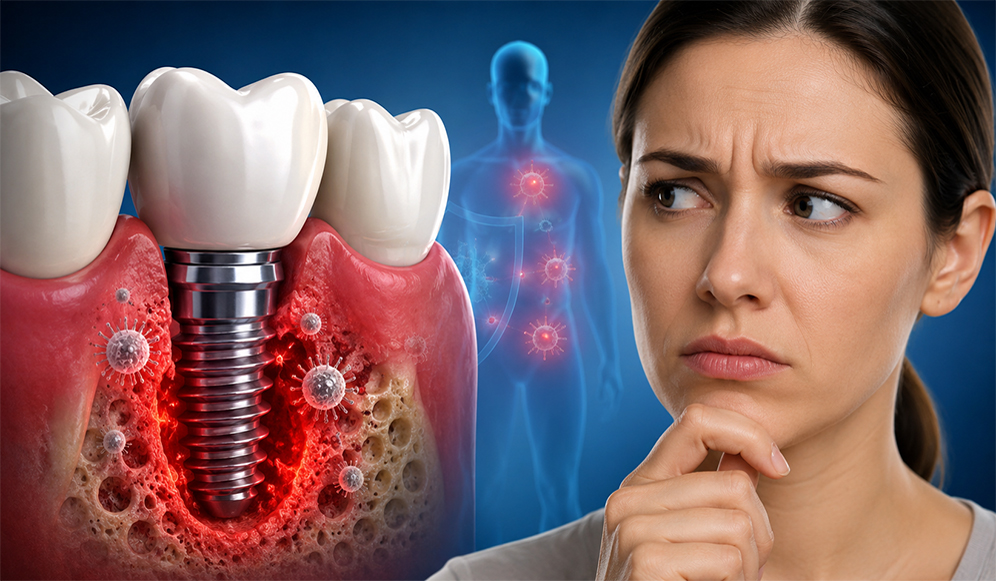
“Can my body reject a dental implant the way it rejects an organ transplant?”
It’s a common concern—and an understandable one.
The good news is that true dental implant rejection is extremely rare. Dental implants have an
impressive success rate of up to 98% when placed and maintained correctly.
However, implant failure can still happen in some situations.
In this guide, we’ll explain the difference between dental implant rejection and implant failure, common
causes, warning signs to watch for, and how to improve the chances of long-term implant success.
What Is a Dental Implant?
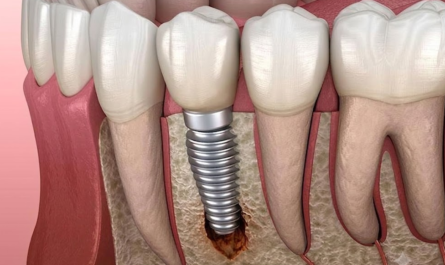
A dental implant is an artificial tooth root placed into the jawbone to support a replacement tooth, bridge,
or denture.
Most dental implants are made from medical-grade titanium, a material widely used because it is strong,
durable, and highly compatible with the human body.
Once placed, the implant goes through a healing process called osseointegration, where the surrounding
bone grows and fuses with the implant.
This healing stage is what determines long-term success.
Can Your Body Reject a Dental Implant?
The short answer is:
Not in the same way your body rejects an organ transplant.
Organ rejection happens because the immune system identifies transplanted tissue as foreign and attacks
it.
Dental implants work differently.
Since implants are made from biocompatible materials, the body generally accepts them rather than
attacking them.
When people talk about “implant rejection,” they are usually referring to implant failure, which means the
implant did not successfully integrate with the jawbone.
Why Do Dental Implants Fail?
Even though implants have very high success rates, certain factors can interfere with healing.
1. Poor Bone Healing (Failed Osseointegration)
The most common reason for implant failure is that the jawbone does not properly fuse with the implant.
Without strong integration, the implant may become unstable.
Possible reasons include:
- Insufficient bone density
- Excessive movement during healing
- Poor surgical healing response
2. Smoking
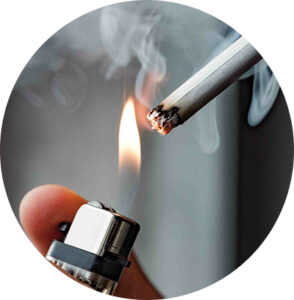
Smoking is one of the biggest risk factors for implant failure.
Tobacco reduces blood flow and slows healing, making it harder for bone tissue to attach to the implant.
Patients who smoke may experience:
- Delayed healing
- Increased infection risk
- Greater implant instability
Reducing or stopping smoking before and after treatment may significantly improve outcomes.
3. Poor Oral Hygiene and Infection
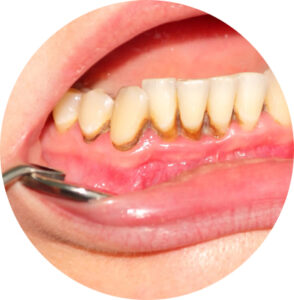
Healthy gums are essential for implant success.
If plaque and bacteria accumulate around the implant, an infection called peri-implantitis can develop.
This condition can cause:
- Gum inflammation
- Bone loss
- Implant loosening
Daily brushing, flossing, and regular dental visits play a major role in prevention.
4. Uncontrolled Diabetes

People with poorly managed diabetes may heal more slowly.
High blood sugar can affect:
- Bone regeneration
- Gum health
- Infection resistance
Many patients with diabetes still successfully receive implants-but proper medical and dental management is important.
5. Rare Titanium Allergy
Titanium allergy is uncommon, but it can occur in rare cases.
Possible symptoms may include:
- Persistent inflammation
- Delayed healing
- Unexplained discomfort
If you have known metal sensitivities, discuss this with your dentist before treatment.
Are Ceramic (Zirconia) Implants an Alternative?
Yes.
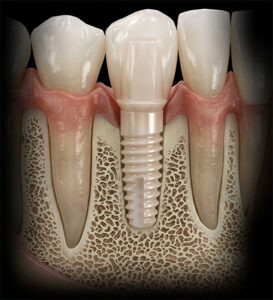
For patients concerned about metal sensitivity or looking for a metal-free option, zirconia dental implants may be considered.
Zirconia implants offer:
- Metal-free restoration
- Natural tooth-like appearance
- Good biocompatibility
Your dentist can help determine whether titanium or zirconia is more suitable based on your oral health and medical history.
Signs That Your Dental Implant May Be Failing
Knowing the warning signs can help prevent complications.
Contact your dentist if you notice:
Severe Pain That Gets Worse
Some discomfort after implant surgery is normal. Increasing or persistent pain is not.
Swollen or Bright Red Gums
Excessive redness or swelling may indicate inflammation or infection.
Implant Feels Loose
A properly integrated implant should remain stable.
If chewing causes movement or discomfort, seek evaluation.
Bleeding Around the Implant
Ongoing bleeding may signal gum irritation or peri-implant disease.
Difficulty Chewing
Pain or instability during chewing should not be ignored.
How to Improve Dental Implant Success
Want the best possible outcome?
Follow these practical steps:
Maintain Excellent Oral Hygiene
Brush twice daily and clean around the implant carefully.
Attend Regular Dental Checkups
Professional monitoring helps detect issues early.
Avoid Smoking
Especially during healing.
Control Medical Conditions
Manage diabetes and other systemic conditions properly.
Follow Post-Procedure Instructions
Healing success depends heavily on aftercare.
Are Dental Implants Safe Long Term?
For most patients, yes.
Dental implants are designed to last for many years and often decades with proper care.
Long-term success depends on:
- Good oral hygiene
- Healthy gums
- Regular maintenance
- Lifestyle habits
When cared for correctly, implants can look, feel, and function very similarly to natural teeth.
When Should You Contact Your Dentist?
Do not wait if something feels unusual.
Schedule a dental visit if you experience:
- Increasing pain
- Persistent swelling
- Gum redness
- Bleeding
- Implant movement
- Difficulty chewing
Early treatment often prevents bigger problems later.
Why Choose Dr. Irfana’s Dental Studio for Dental Implant Consultation?
At Dr. Irfana’s Dental Studio, we focus on personalized treatment planning, careful implant assessment, and patient education to support long-term oral health.
Clinic Address:
Dr. Irfana’s Dental Studio
Mashayakh Apartment,
Behram Baug Rd, Raj Nagar, Gautam Nagar,
Jogeshwari West, Mumbai
Book a consultation to understand whether dental implants are right for you and receive guidance based
on your individual dental needs.
FAQs
Is dental implant rejection common?
No. True rejection is extremely rare. Most issues are related to healing problems or infection rather than immune rejection.
How long does it take for a dental implant to heal?
Initial healing may take several weeks, while complete bone integration usually takes a few months depending on the case.
Can smokers get dental implants?
Yes, but smoking increases the risk of implant failure and delayed healing.
What happens if a dental implant becomes loose?
A loose implant should be examined immediately to identify whether infection, bone loss, or healing failure is involved.
Can people with metal allergies get dental implants?
Patients with known metal sensitivities can discuss alternatives such as zirconia implants with their dentist.