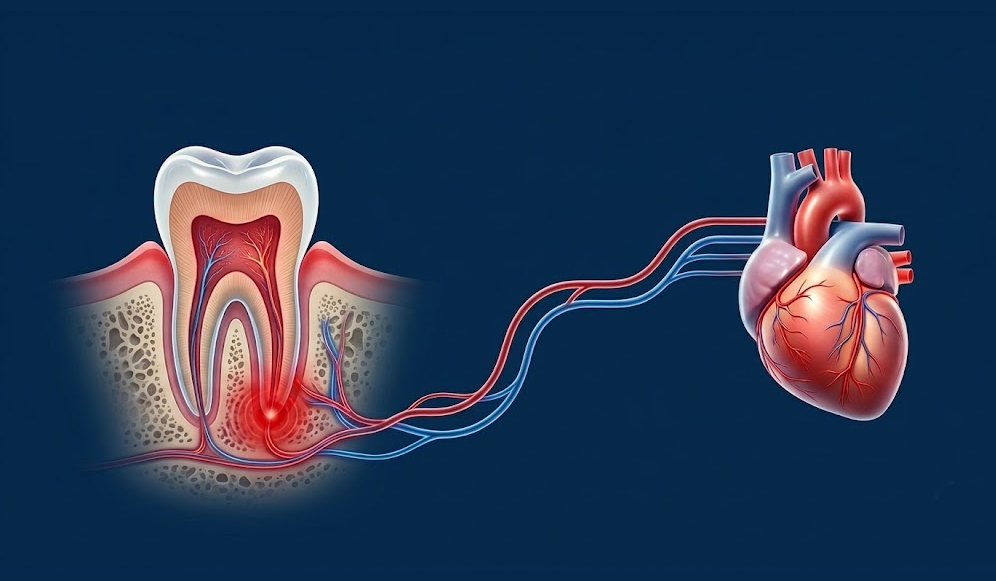
When a tooth develops a deep cavity, we typically measure the consequences in terms of localized discomfort. We worry about sharp pains when drinking cold water, the inconvenience of avoiding certain foods, or the eventually looming appointment for a root canal. However, human anatomy does not operate in a vacuum. Your mouth is the primary gateway to the rest of your body, and a severe, untreated dental infection is never just an isolated oral health issue-it is a progressive systemic risk.
Ignoring a deep tooth infection, chronic abscess, or advanced gum disease gives aggressive oral bacteria a literal highway into your bloodstream. Once inside your circulatory system, these pathogens can travel directly to your cardiovascular system, binding to damaged tissues and triggering a life-threatening heart condition known as Infective Endocarditis.
At Dr. Irfana’s Dental Studio in Jogeshwari West, Mumbai, our clinical approach centers on holistic wellness. Led by Dr. Irfana Thanwala, an expert Periodontist (MDS) and Implantologist holding a prestigious Fellowship from the Indian Society of Oral Implantologists (ISOI), we use advanced diagnostics to eliminate deep microbial reservoirs before they can impact your broader biological systems.
Dental Infections vs. Cardiovascular Health: The Pathogenic Connection
To better understand how a localized infection beneath your tooth’s enamel can jeopardize your heart walls, let us examine the transition from an oral condition to a cardiovascular crisis:
| Clinical Phase | Oral Diagnostic Status | Cardiovascular Systemic Impact |
| Stage 1: Localized Decay | Deep dental caries breaching the enamel and dentin, invading the inner living pulp. | Zero systemic leakage; bacteria are confined entirely within the rigid walls of the tooth structure. |
| Stage 2: Abscess Formation | The pulp dies (necrotic); infection spills past the root tip into the jawbone, forming an abscess. | Microbial colonies interface directly with the highly vascular bone marrow and surrounding capillaries. |
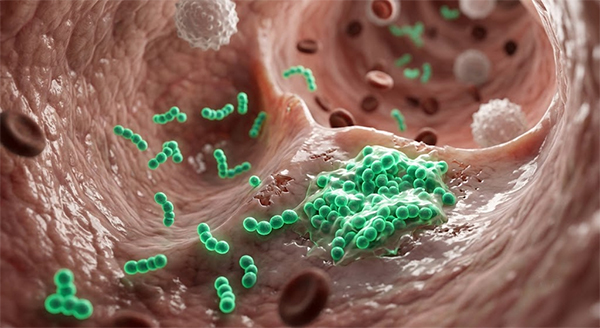
| Stage 3: Bacteremia | Chewing pressure or minor bleeding allows oral bacteria (Streptococcus mutans) to enter blood vessels. | Temporary or chronic bacteremia; live bacteria circulate through your bloodstream, searching for target tissues. |
| Stage 4: Bacterial Adhesion | Circulating oral bacteria latch onto rough, artificial, or structurally damaged heart valves. | Formation of vegetations (clumps of bacteria, fibrin, and platelets) on the inner lining of the heart. |
| Stage 5: Endocarditis | Chronic oral infection continuously feeds the cardiac colonies, damaging tissue. | Infective Endocarditis; a serious medical condition requiring aggressive intravenous antibiotics or open-heart surgery. |
The Science of Osseous Dissemination: How Bacteria Travel to Your Heart
Your teeth are anchored into your jawbone by a dense network of blood vessels. When dental decay reaches the innermost chamber—the pulp—the nerve and blood supply inside the tooth become necrotic (die off) and turn into a localized breeding ground for anaerobic bacteria.
As the pressure inside the dead tooth builds, the infection pushes outward through a microscopic opening at the very bottom of the root, known as the apical foramen. This leads to a periapical abscess in the jawbone.
[Deep Caries/Necrotic Pulp] ──> [Root Tip Abscess] ──> [Capillary Wall Infiltration] ──> [Systemic Circulation] ──> [Heart Valve Adhesion]
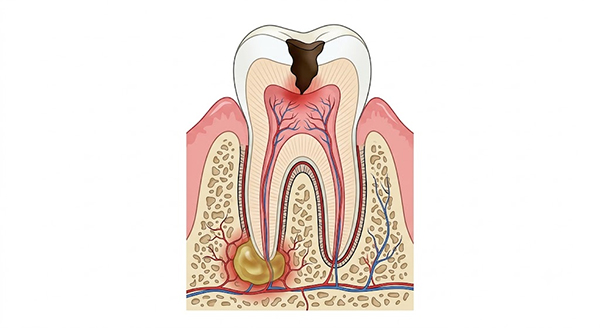
Every time you chew food, clench your jaw, or brush inflamed gums surrounding an infected tooth, the physical pressure acts like a piston. This mechanical force pumps microscopic bacterial colonies out of the bone abscess and directly across the thin, degraded walls of local capillaries. Once inside the bloodstream, these oral pathogens easily ride the circulatory currents straight down to the chambers of your heart.
What is Infective Endocarditis, and Who is at Maximum Risk?
Infective Endocarditis (IE) is a severe inflammation of the endocardium—the smooth inner lining of your heart chambers and valves. For a person with a perfectly healthy, anatomically flawless heart, circulating oral bacteria are typically neutralized by the immune system within a few hours. However, for specific high-risk groups, these bacteria find a perfect home to colonize:
- Patients with Congenital Heart Defects: Naturally turbulent blood flow creates microscopic rough spots on the heart valves, where oral bacteria can easily grab hold and multiply.
- Individuals with Artificial Heart Valves: Prosthetic heart valves lack a natural immune response on their surface, making them highly vulnerable to bacterial colonization.
- A History of Rheumatic Heart Disease: Past bouts of rheumatic fever scar the heart valves, turning them into a ideal landscape for bacterial accumulation.
- People with Mitral Valve Prolapse (MVP): Valves that do not close perfectly smoothly offer structural recesses where oral bacteria can settle.
Once oral bacteria adhere to these vulnerable areas, they build a protective matrix over themselves called a biofilm. This shield makes it incredibly difficult for your body’s natural white blood cells or standard oral antibiotics to reach and destroy them. Over time, these bacterial clumps erode the valve tissue, leading to acute heart failure or launching microscopic blood clots into your vital organs.
Proactive Neuro-Diagnostic and Endodontic Safeguards at Our Mumbai Studio
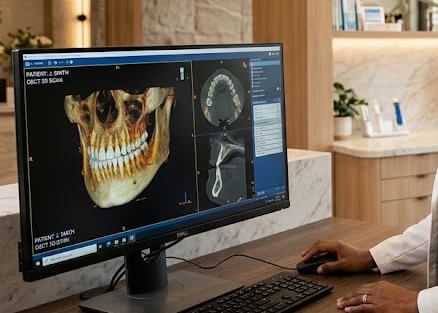
Preventing systemic bacterial migration requires rapid, uncompromising sterilization of the oral cavity. At Dr. Irfana’s Dental Studio in Jogeshwari West, we eliminate cardiac risks through a strict, technology-driven protocol:
- Digital CBCT 3D Scanning: Standard x-rays can mask early bone abscesses. Our 3D imaging lets us spot bone damage and infections hiding behind root structures long before symptoms worsen.
- Microscopic Endodontic Irrigation: During a root canal, we do not just clear out the main canal. We use ultrasonic irrigation to push antibacterial fluids deep into the microscopic side-canals, destroying latent bacterial colonies completely.
- Advanced Periodontal Debridement: For patients with severe gum infections, we use specialized dental lasers to clean out deep gum pockets, sealing compromised blood vessels and stopping bacteria from slipping into the bloodstream.
- Targeted Antibiotic Prophylaxis: Following strict guidelines from global heart associations, we give targeted preventive antibiotics to high-risk cardiac patients before doing deep dental work, neutralizing bacteria before they can ever reach the heart.
FAQs
What are the early systemic symptoms that an oral infection might be affecting my heart?
Early symptoms of endocarditis are often subtle and mimic a lingering flu. They include a persistent low-grade fever, unexplained fatigue, night sweats, short-lived joint pain, and shortness of breath during minor physical tasks. If you have a known bad tooth alongside these symptoms, seek immediate medical and dental care.
Can taking standard over-the-counter painkillers prevent a tooth infection from spreading?
No. Painkillers like ibuprofen or paracetamol only block pain signals in your brain; they have absolutely zero impact on bacterial colonies. The underlying infection will continue to destroy bone and leak bacteria into your bloodstream regardless of how much pain relief you take.
Does a root canal treatment increase or decrease the risk of heart infections?
A properly executed root canal treatment significantly decreases your risk. The procedure removes the dead, infected pulp tissue, sanitizes the internal canals, and seals the space permanently. This completely eliminates the bacterial reservoir, protecting your heart from chronic bacterial leakage.
Are dental implants safe for a patient who has an artificial heart valve or past heart conditions?
Yes, dental implants are remarkably safe, provided your condition is fully managed. For high-risk cardiac patients, we simply coordinate directly with your cardiologist and prescribe a short, highly targeted dose of preventive antibiotics right before the implant placement to ensure absolute safety.
How can I safely check if a chronic toothache poses a health risk?
If you are living with a broken tooth, an old un-capped root canal, or bleeding gums, getting a timely evaluation is vital. To book an advanced digital scan and screen your oral ecosystem with our specialized clinical team in Mumbai, visit Dr. Irfana’s Dental Studio.
Disclaimer
This specialized systemic dentistry and cardiovascular health guide is published strictly for educational and general informational purposes. It does not replace professional clinical diagnostics, cardiological evaluations, or targeted intraoral dental radiology. Always schedule an in-person diagnostic consultation with a certified practitioner to evaluate your enamel health, bone levels, and systemic treatment safety guidelines.